
· News · 4 min read
Inspection of Machinery and Lifting Equipment: Compliance with DLPW Thailand Regulations
In Thailand, inspections are governed by the Department of Labour Protection and Welfare (DLPW), which sets regulatory requirements to ensure safe operation and legal compliance. Aligning these requirements with internationally recognized standards such as the American Society of Mechanical Engineers B30 series further strengthens inspection quality and reliability.
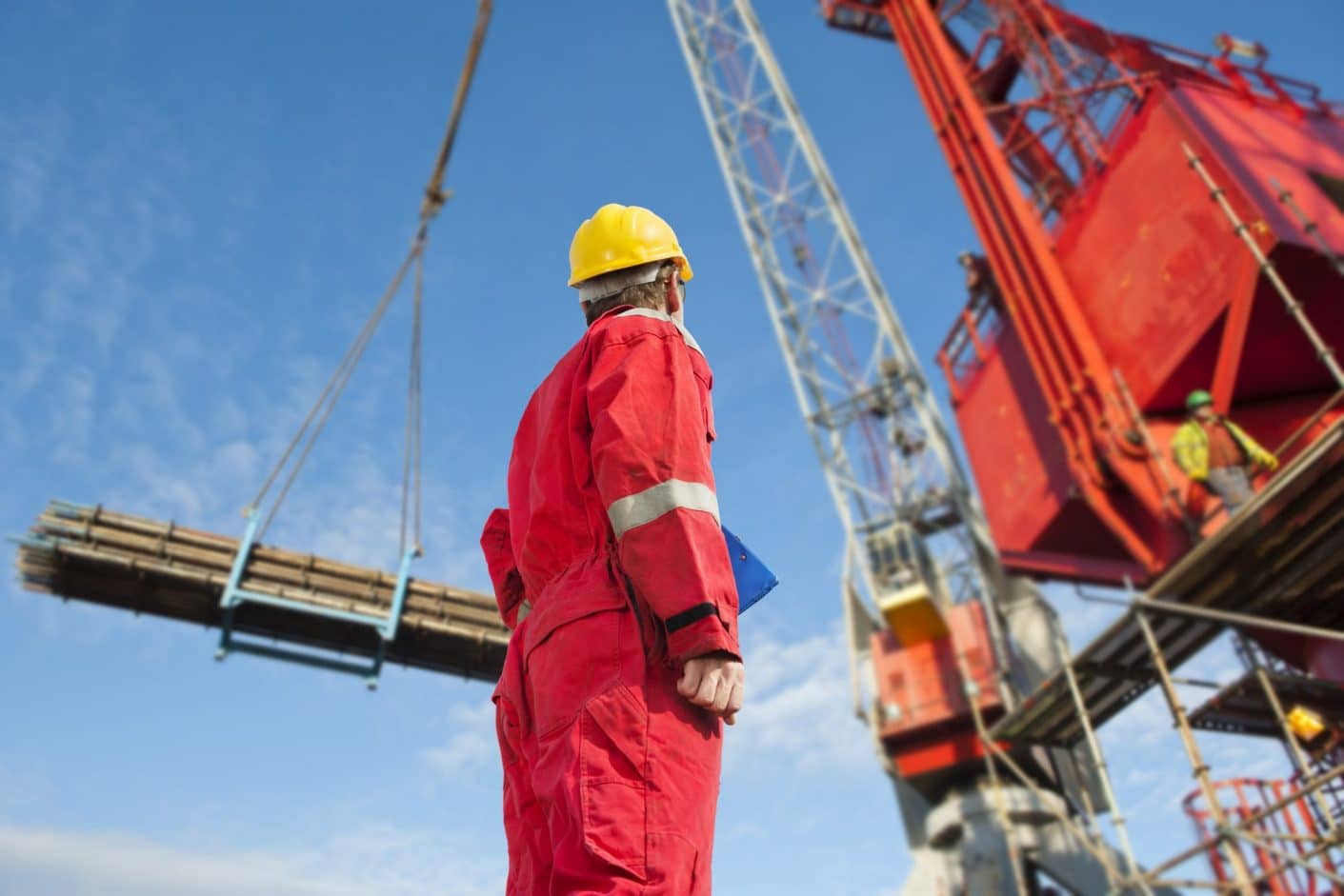
Machinery and lifting equipment are essential components across construction, manufacturing, and industrial operations. From cranes and hoists to forklifts and pressure-related machinery, these assets play a critical role in productivity—but also present significant safety risks if not properly maintained.
Regulatory Framework in Thailand
The DLPW establishes safety regulations for machinery and lifting equipment used in workplaces. These regulations require:
- Regular inspection and certification of lifting equipment
- Safe installation, operation, and maintenance of machinery
- Documentation and record-keeping for audits and compliance
- Use of qualified personnel for inspection and testing
Failure to comply can result in penalties, operational shutdowns, and increased safety risks.
Scope of Inspection
Inspection requirements typically apply to a wide range of equipment, including:
- Cranes (mobile, tower, overhead)
- Hoists and lifting tackles
- Forklifts and material handling equipment
- Pressure-related machinery and auxiliary systems
The scope ensures that all critical components affecting safety and performance are evaluated.
Inspection Types
1. Pre-Use Inspection
Conducted before daily operation to ensure equipment is safe for immediate use. This includes visual checks for:
- Damage or deformation
- Leaks or abnormal noises
- Proper functioning of controls and safety devices
2. Periodic Inspection
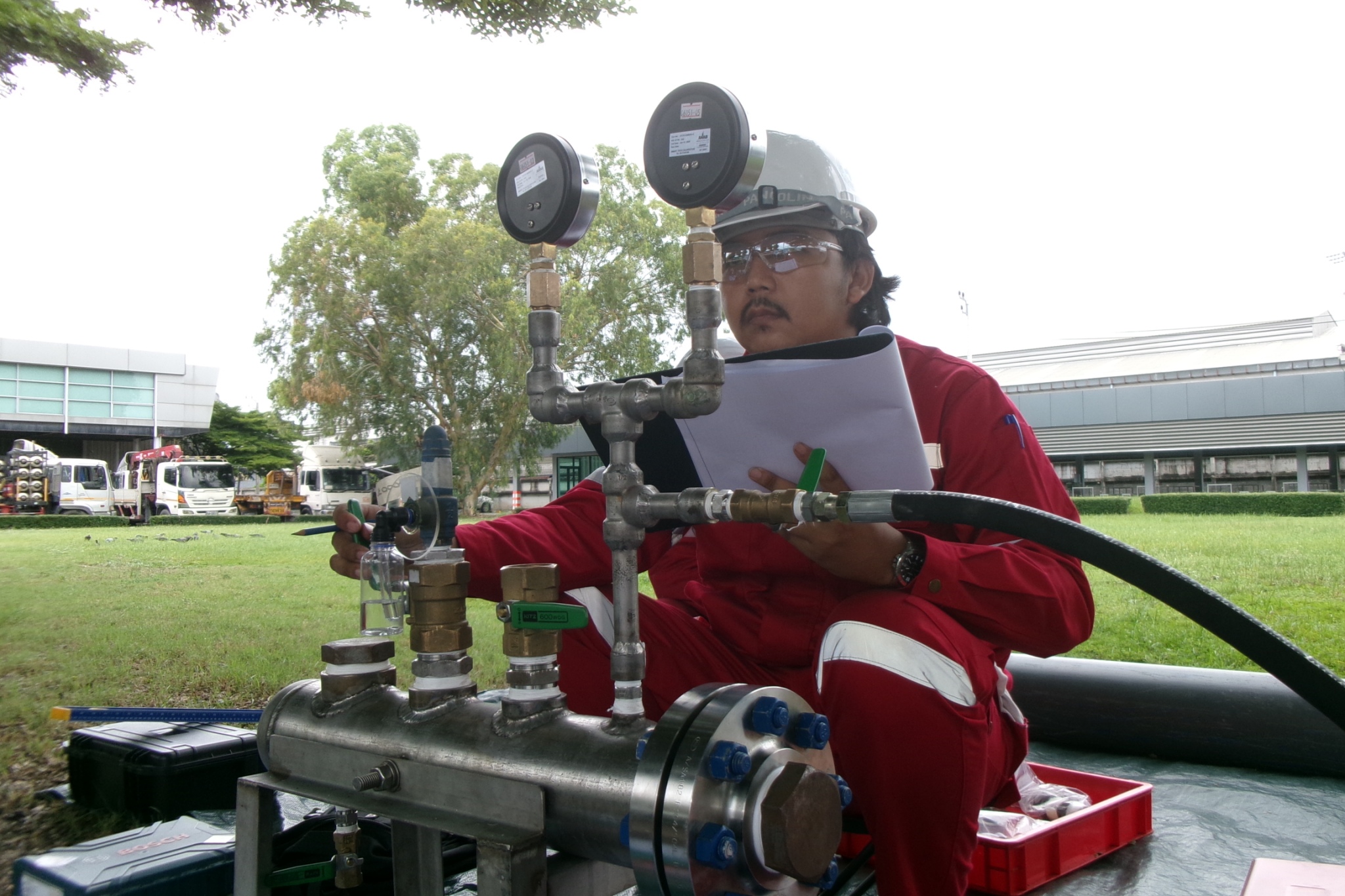
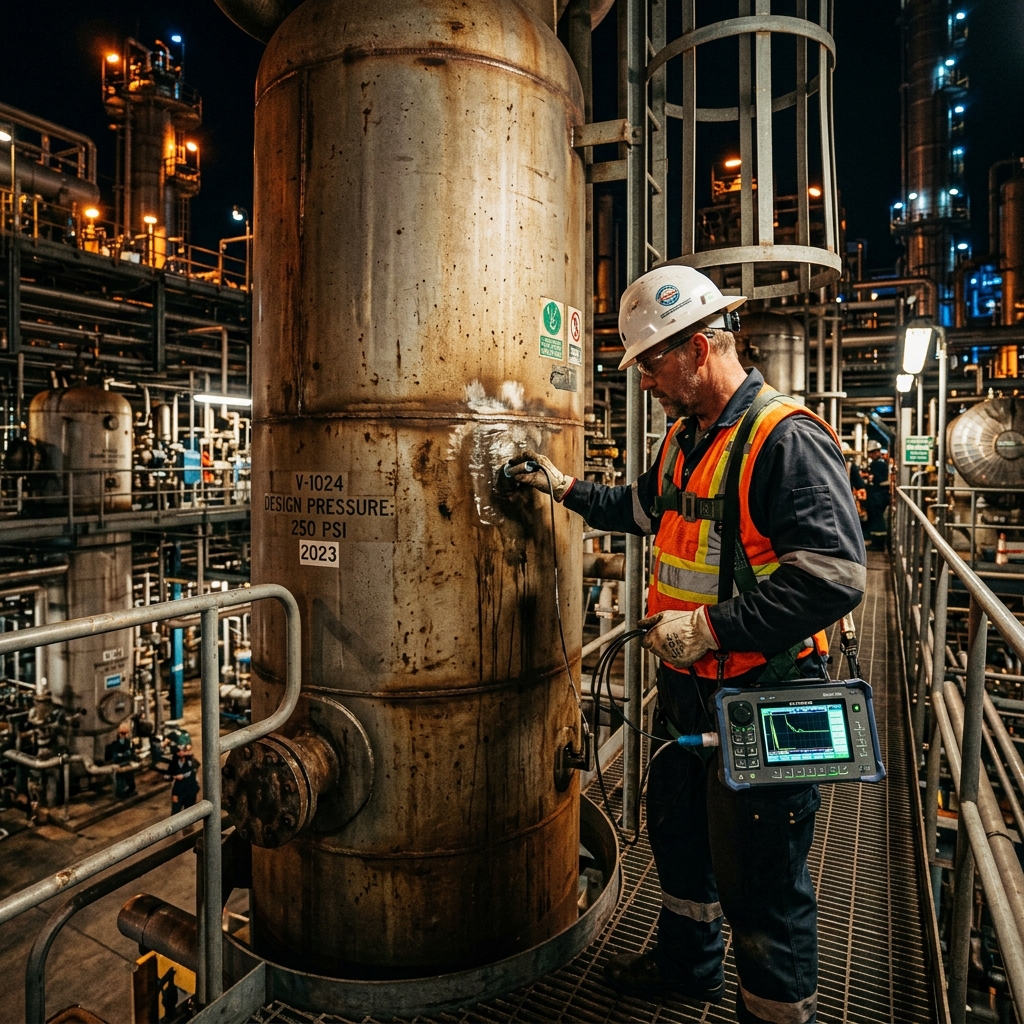
Performed at defined intervals (monthly, quarterly, or annually depending on equipment type and usage). This involves more detailed checks such as:
- Structural integrity assessment
- Functional testing of safety systems
- Wear and tear evaluation
3. Load Testing
Load testing verifies that lifting equipment can safely handle its rated capacity. This is typically required:
- After installation
- After major repair or modification
- At scheduled certification intervals.
Reference Standards: ASME B30 Series
While DLPW provides regulatory requirements, many inspections also reference the ASME B30 Series for best practices. The ASME B30 standards cover:
- B30.2 – Overhead and gantry cranes
- B30.5 – Mobile and locomotive cranes
- B30.9 – Slings
- B30.16 –– Overhead hoists
These standards provide detailed guidance on:
- Inspection procedures
- Load testing criteria
- Maintenance requirements
- Safe operating practices
Integrating ASME standards ensures inspections meet international safety benchmarks.
Key Inspection Criteria
Inspection of machinery and lifting equipment focuses on:
Structural integrity – Checking for cracks, corrosion, or deformation
- Mechanical components – Gears, brakes, wire ropes, chains
- Safety devices – Limit switches, overload protection systems
- Operational performance – Smooth and controlled movement
- Electrical systems – Wiring, controls, and emergency stop functions
Each component is assessed to ensure the equipment operates safely under load.
Certification and Documentation
Inspection of machinery and lifting equipment focuses on:
DLPW regulations require proper documentation, including:
- Inspection reports and checklists
- Load test certificates
- Maintenance and repair records
- Equipment registration details
Certification must typically be issued by competent or authorized inspectors, ensuring compliance with Thai regulations.
Benefits of Proper Inspection
Implementing structured inspection programs provides:
- Improved workplace safety
- Reduced risk of equipment failure
- Compliance with Thai legal requirements
- Increased equipment lifespan
- Lower maintenance and downtime costs
DLPW Regulation Explained
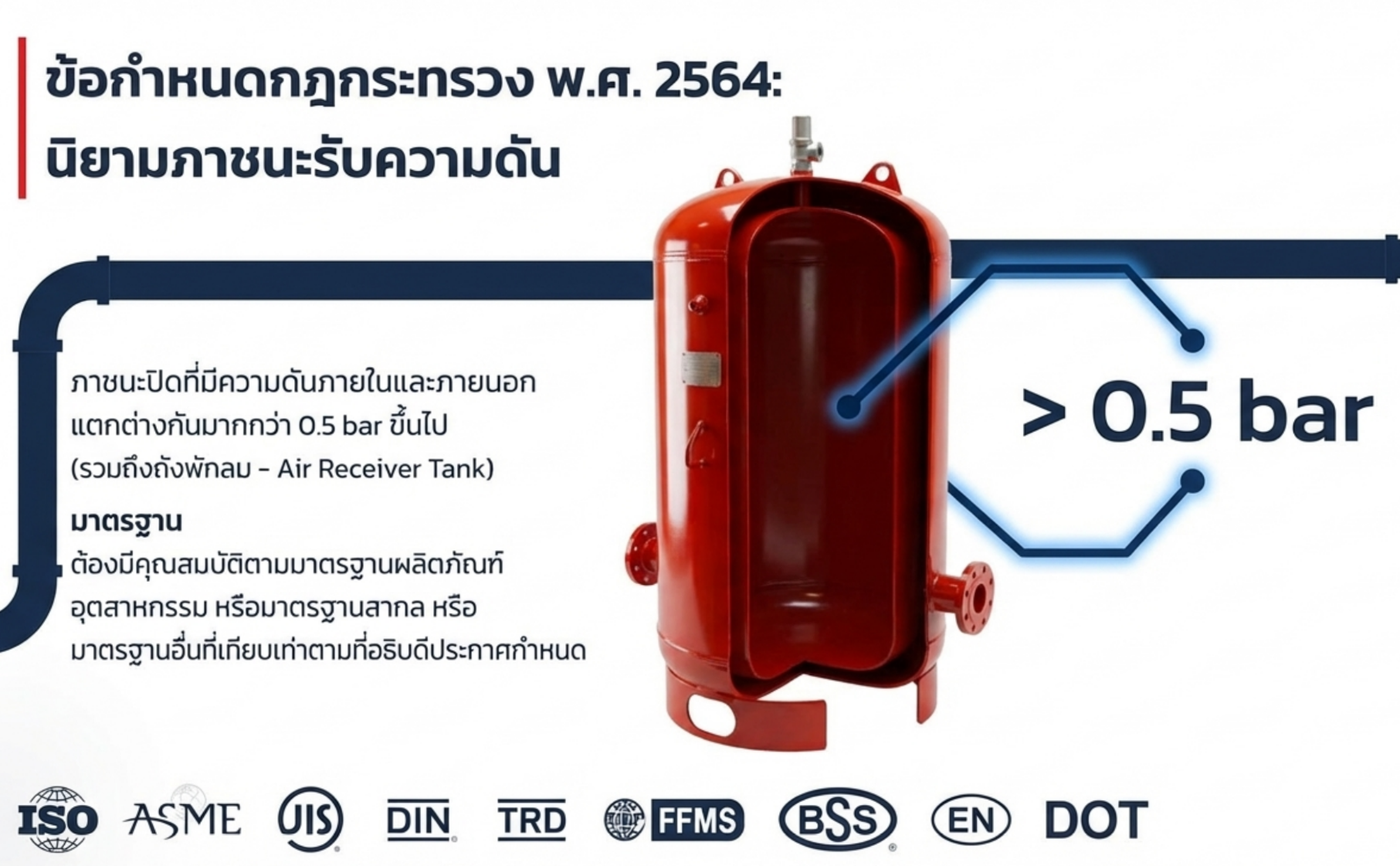
In Thailand, what people commonly call “DLPW regulations” for machinery and lifting equipment are not a single numbered standard like API codes. Instead, they are issued as Ministerial Regulations (กฎกระทรวง) under the Occupational Safety, Health and Environment Act B.E. 2554 (2011) and enforced by the Department of Labour Protection and Welfare. Key DLPW Regulation for Lifting Equipment
The main regulation you’re looking for is:
- Ministerial Regulation on Safety in the Use of Cranes, Derricks, and Hoists B.E. 2564 (2021) (กฎกระทรวง กำหนดมาตรฐานในการบริหารและการจัดการด้านความปลอดภัยในการทำงานเกี่ยวกับปั้นจั่น พ.ศ. 2564)
This is the primary legal reference for:
- Crane inspection and certification
- Load testing requirements
- Operator qualifications
- Maintenance and safety controls Other Relevant DLPW Regulations (Machinery)
Depending on scope, inspections may also fall under:
- Ministerial Regulation on Machinery Safety B.E. 2552 (2009)
- General workplace safety requirements under the OSH Act B.E. 2554 (2011)
These cover:
- Machine guarding
- Installation and maintenance
- General inspection obligations
Important Note
Unlike API (e.g., 510, 570, 653), Thailand’s DLPW framework:
- Is legal/regulatory, not just recommended practice
- Uses multiple ministerial regulations, not a single code number
- Often requires annual inspection and certification by authorized inspectors
Conclusion
A proactive inspection approach not only protects workers but also supports sustainable and legally compliant industrial operations.
Inspection of machinery and lifting equipment under DLPW regulations is essential for maintaining safe and compliant operations in Thailand. By combining local regulatory requirements with internationally recognized standards such as the ASME B30 series, organizations can ensure a high level of safety, reliability, and operational efficiency.