

· Insight · 3 min read
API 510 Inspection: Ensuring Pressure Vessel Safety and Regulatory Compliance
A comprehensive guide to API 510 in-service inspections, exploring critical methodologies for pressure vessel integrity, risk-based management, and operational safety.

Introduction to API 510 Standards
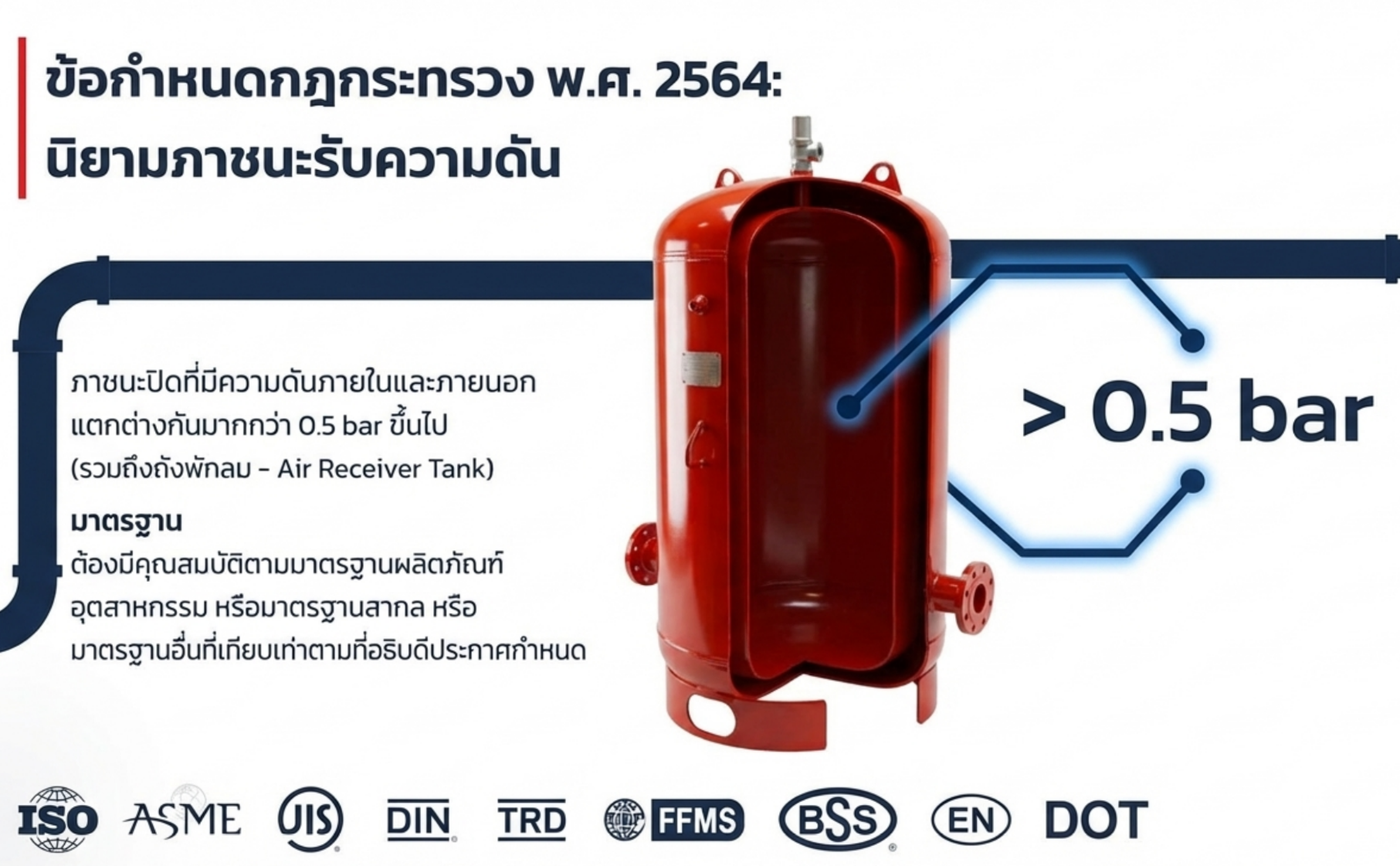
API 510, the Pressure Vessel Inspection Code: In-Service Inspection, Rating, Repair, and Alteration, is the definitive industry standard for maintaining the integrity of pressure vessels. Developed by the American Petroleum Institute, it provides a rigorous framework for inspectors, engineers, and owner-operators to ensure that vessels operating in high-pressure environments remain safe and reliable throughout their lifecycle.
At Nexology, we specialize in providing certified API 510 inspections that go beyond simple compliance, focusing on long-term asset health and process safety.
Why API 510 is Critical for Industrial Operations
Pressure vessels are the workhorses of the oil, gas, and chemical industries. Operating under extreme thermal and mechanical stress, these assets are susceptible to various degradation mechanisms. API 510 compliance is essential for:
- Failure Prevention: Mitigating risks of catastrophic ruptures, hazardous leaks, and environmental contamination.
- Regulatory Alignment: Ensuring adherence to international safety codes and local jurisdictional requirements (such as Thailand’s Department of Labour Protection and Welfare standards).
- Operational Efficiency: Identifying issues before they lead to unplanned shutdowns, thereby maximizing uptime and reducing maintenance costs.
Core Components of an API 510 Inspection
A professional API 510 program involves a multi-layered approach to assessment:
1. Visual and Physical Examination
- External Inspection: Performed during operation to assess the condition of insulation, supports, and external surfaces for signs of corrosion under insulation (CUI) or mechanical damage.
- Internal Inspection: A comprehensive hands-on interior check performed during turnarounds to identify pitting, scaling, or weld deterioration.
2. Advanced Non-Destructive Testing (NDT)
To accurately quantify degradation, several NDT methods are integrated:
- Ultrasonic Thickness (UT): Precise measurement of wall thinning.
- Magnetic Particle (MT) & Dye Penetrant (PT): Detecting surface-breaking cracks in welds and high-stress areas.
- Radiographic Testing (RT): Subsurface internal flaw detection.
3. Engineering Analysis
- Corrosion Rate & Remaining Life: Calculating exactly how much longer the vessel can safely operate based on historical and current thickness data.
- Fitness-for-Service (FFS): Utilizing API 579 standards to determine if damaged equipment can continue to run safely under specific conditions.
- Risk-Based Inspection (RBI): Prioritizing inspections based on the probability and consequence of a failure.
The Role of a Certified API 510 Inspector
The success of an inspection program relies on the expertise of the personnel. An API 510 inspector must be certified through the API Individual Certification Program (ICP), demonstrating mastery of:
- Vessel design and construction codes (e.g., ASME Section VIII).
- Welding procedures and qualifications.
- Material properties and degradation mechanisms.
Nexology’s Approach to Technical Excellence
Nexology combines years of field experience with state-of-the-art technology to deliver comprehensive API 510 reports. Our certified inspectors provide actionable data, ensuring your pressure vessels meet the highest global standards for safety and performance.
Disclaimer: This article is intended for technical informational purposes. For specific compliance and engineering advice, always consult a certified professional and the latest edition of the API 510 code.