

· Insight · 3 min read
API 570 Inspection : Ensuring Piping System Integrity and Reliability
Explore the critical role of API 570 in-service inspections for piping system integrity, operational safety, and regulatory compliance, in accordance with standards set by the American Petroleum Institute.
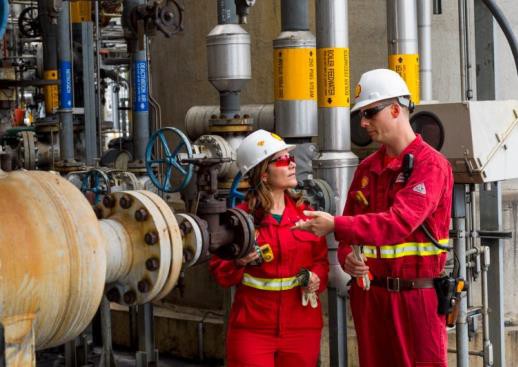
API 570 Inspection: Safeguarding Piping System Integrity
In process industries such as oil & gas, petrochemicals, and power plants, piping systems are the arteries that keep operations flowing. Ensuring their integrity is critical—not only for efficiency but for safety and environmental protection. This is where API 570 comes in, a globally recognized standard developed by the American Petroleum Institute. This article provides a practical overview of API 570 inspection, its scope, and why it is essential for maintaining safe and reliable piping systems.
What is API 570?
API 570 is a standard that governs the in-service inspection, repair, alteration, and rerating of piping systems. It applies to metallic piping used in:
- Petroleum refineries
- Chemical plants
- Gas processing facilities Unlike design codes, API 570 focuses on maintaining piping integrity during operation, ensuring systems continue to perform safely throughout their service life.
Why API 570 Inspection Matters
Piping systems are exposed to various damage mechanisms such as:
- Corrosion (internal and external)
- Erosion from fluid flow
- Cracking due to stress or fatigue
- Thermal expansion and vibration Without proper inspection, these issues can lead to:
- Leaks or hazardous releases
- Unplanned shutdowns
- Environmental damage
- Safety risks to personnel API 570 inspections help identify these risks early, enabling timely maintenance and preventing failures.
Scope of API 570 Inspection
API 570 covers a wide range of inspection activities, including:
- External visual inspections – Identifying corrosion, leaks, misalignment, and support issues
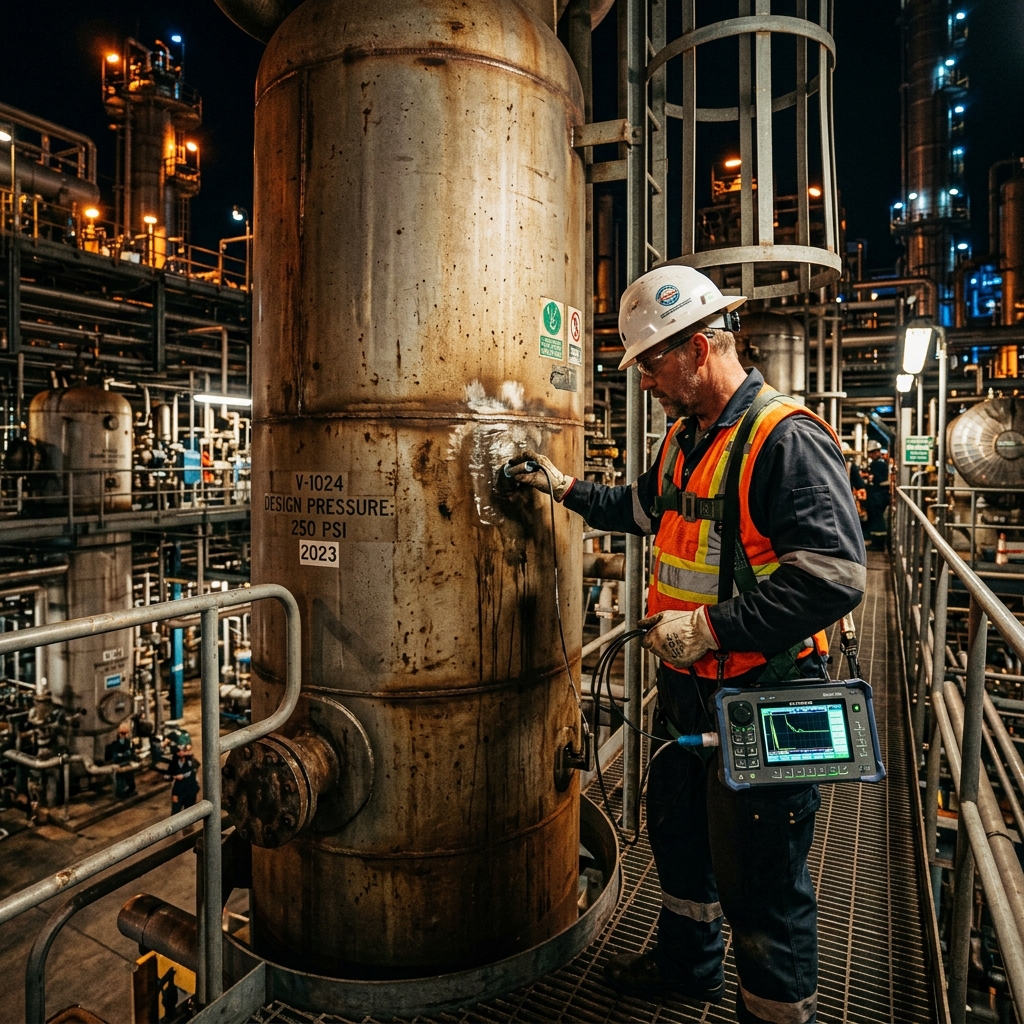
- Thickness measurements (UT) – Monitoring wall loss over time
- Corrosion rate calculations – Estimating remaining life
- On-stream inspections – Conducted while piping is in service
- Internal inspections – When accessible, especially for critical systems It also includes guidance on:
- Inspection intervals
- Risk-based inspection (RBI) methodologies
- Repair and alteration requirements
Who Performs API 570 Inspections?
Inspections must be carried out by certified API 570 inspectors who are trained in:
- Piping design and materials
- Damage mechanisms affecting piping systems
- Non-destructive testing (NDT) methods
- Relevant codes such as ASME B31 piping standards Certification ensures inspections are accurate, consistent, and compliant with industry best practices.
Inspection Intervals
API 570 allows flexibility in determining inspection frequency based on:
- Corrosion rates
- Service severity
- Historical inspection data
- Risk-based inspection (RBI) assessments Typical guidelines include:
- External inspections: every 5 years (or more frequently if required)
- Thickness measurements: based on corrosion monitoring plans
- Internal inspections: as needed for critical or high-risk piping Using RBI helps prioritize resources and focus on high-risk piping circuits.
Common Inspection Techniques
A variety of non-destructive testing (NDT) methods are used in API 570 inspections:
- Ultrasonic Testing (UT) – measures wall thickness
- Radiographic Testing (RT) – detects internal defects
- Magnetic Particle Testing (MT) – identifies surface cracks
- Dye Penetrant Testing (PT) – reveals surface discontinuities
- Visual Inspection (VT) – first line of defense These techniques allow for thorough evaluation without interrupting operations unnecessarily.
Repairs, Alterations, and Rerating
When defects are found, API 570 provides clear guidance on:
- Acceptable repair methods
- Welding procedures and qualifications
- Material replacement and upgrades
- Rerating piping for different operating conditions All work must ensure the piping system continues to meet design and safety requirements.
Documentation and Compliance
Proper documentation is a core requirement of API 570, including:
- Inspection records and reports
- Thickness measurement data
- Corrosion rate calculations
- Repair and alteration logs Maintaining accurate records supports:
- Regulatory compliance
- Audit readiness
- Long-term asset integrity management
Benefits of API 570 Implementation
Organizations that implement API 570 benefit from:
- Enhanced safety and reduced risk of leaks
- Improved system reliability
- Extended service life of piping assets
- Reduced maintenance costs through proactive planning
- Stronger compliance with industry regulations
Conclusion
API 570 inspection plays a vital role in ensuring the integrity of piping systems in high-risk industries. By adopting a structured inspection approach and leveraging risk-based methodologies, organizations can prevent failures, protect personnel, and maintain efficient operations. In complex industrial environments, maintaining piping integrity isn’t just good practice—it’s essential for sustainable and safe operations.
Disclaimer: This information is for educational purposes. Always consult the latest edition of the API 570 code and local jurisdictional requirements for specific compliance obligations.