

· Insight · 3 min read
The Role of International Standards, Codes, and Regulations in Ensuring Effective Inspection and Certification
Explore the critical role of international standards, codes, and regulations in establishing consistent, reliable, and safe inspection and certification practices across industries. Learn how these frameworks ensure compliance, enhance asset integrity, and align operations with globally recognized best practices..
Overview
In industries where safety, reliability, and compliance are critical, inspection and certification play a vital role in ensuring that equipment and systems perform as intended. However, the effectiveness of these processes depends heavily on the use of internationally recognized standards, codes, and regulations.
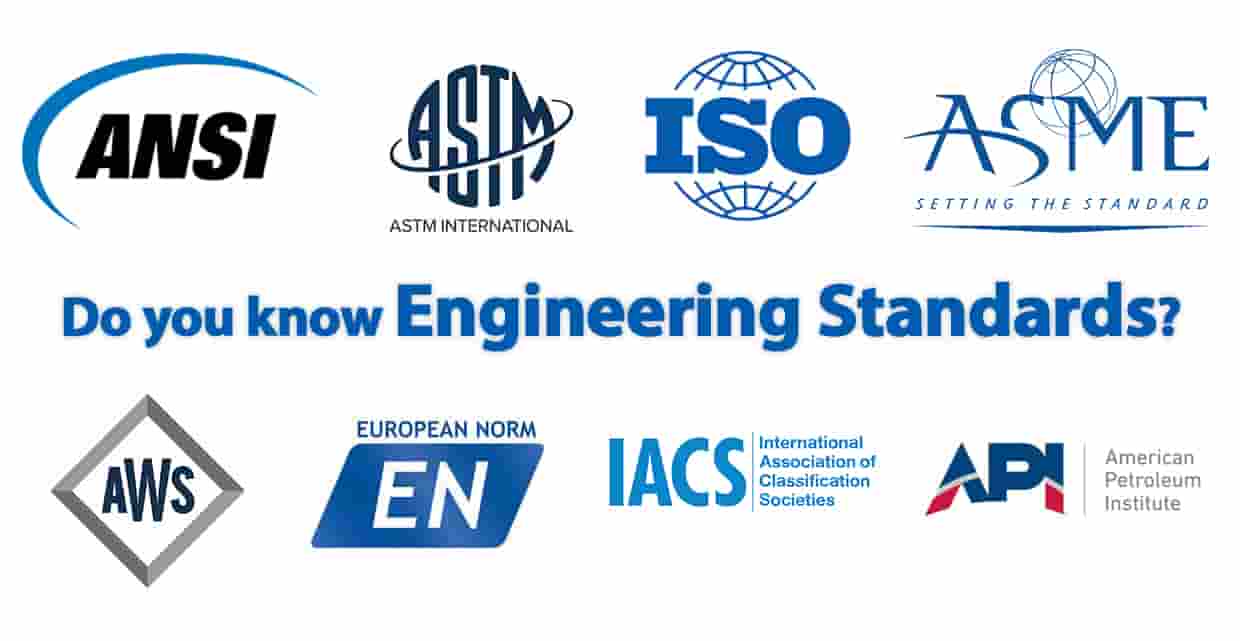
Frameworks developed by organizations such as the American Petroleum Institute (API), the American Society of Mechanical Engineers (ASME), and the International Organization for Standardization (ISO) provide a structured and consistent approach to inspection and certification across industries worldwide.
Why Standards and Codes Matter
International standards and codes establish a common language and set of expectations for engineers, inspectors, regulators, and operators. Without them, inspection practices would vary significantly, increasing the risk of failure, misinterpretation, and non-compliance.
They ensure:
- Consistency in inspection methodologies
- Reliability in evaluation and decision-making
- Alignment with proven engineering practices
- Compliance with legal and regulatory requirements
Key Functions in Inspection and Certification
1. Defining Inspection Requirements
Standards clearly outline how inspections should be conducted, including:
- Inspection scope and coverage
- Methods and techniques (e.g., NDT methods)
- Acceptance and rejection criteria
For example, API standards define in-service inspection requirements for pressure vessels, piping systems, and storage tanks.
2. Ensuring Safety and Integrity
Codes such as ASME provide design and construction requirements, while inspection standards ensure that assets continue to operate safely during service.
Together, they help:
- Prevent catastrophic failures
- Protect personnel and the environment
- Maintain structural and operational integrity
3. Supporting Regulatory Compliance
Many national regulations are based on or aligned with international standards. Regulatory bodies often require compliance with these codes as part of certification and licensing processes.
This alignment ensures:
- Legal compliance
- Standardized enforcement
- Easier cross-border operations for global companies
4. Providing Certification Frameworks
Standards define the requirements for:
- Inspector qualifications and certification
- Equipment certification and testing
- Documentation and reporting
This ensures that inspections are carried out by competent personnel and that results are reliable and traceable.
5. Enabling Risk-Based Approaches
Modern standards incorporate risk-based methodologies, allowing organizations to:
- Prioritize high-risk equipment
- Optimize inspection intervals
- Allocate resources efficiently
This leads to more effective and cost-efficient inspection programs.
Benefits of Using International Standards
Organizations that adopt international standards and codes benefit from:
- Improved Safety – Reduced likelihood of accidents and failures
- Global Recognition – Acceptance across international markets
- Operational Consistency – Standardized processes and procedures
- Regulatory Confidence – Easier compliance with local authorities
- Enhanced Credibility – Increased trust from clients and stakeholders
Challenges in Implementation
Despite their benefits, implementing international standards may involve:
- Initial training and certification costs
- Adapting existing processes and systems
- Keeping up with updates and revisions
- Integrating multiple standards across different assets
A structured implementation strategy is essential to overcome these challenges.
Integration with Local Regulations
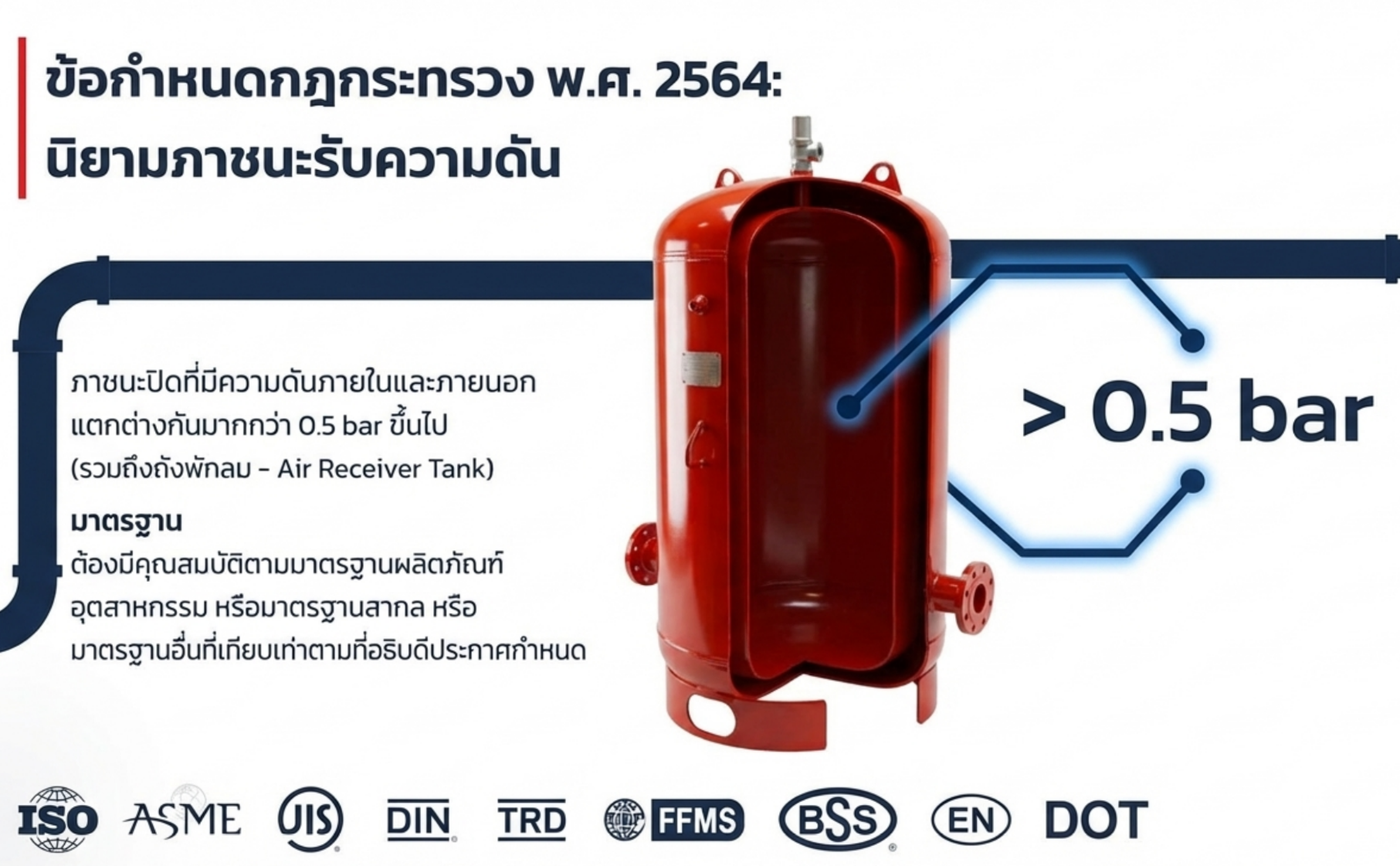
International standards are most effective when integrated with local regulatory requirements. For example, in Thailand, inspections must comply with regulations set by the Department of Labour Protection and Welfare (DLPW), while also referencing international standards for best practices.
This combined approach ensures both:
- Legal compliance within the country
- Alignment with global engineering standards
The Future of Standards in Inspection
With the rise of digital technologies and Inspection 4.0, standards are evolving to include:
- Digital data management and reporting
- Remote and automated inspection techniques
- Integration with real-time monitoring systems
This evolution will further enhance the effectiveness, accuracy, and efficiency of inspection and certification processes.
Conclusion
International standards, codes, and regulations form the foundation of effective inspection and certification. They provide the structure, consistency, and reliability needed to ensure safety, compliance, and operational excellence.
By adopting and integrating these frameworks, organizations can confidently manage their assets, meet regulatory requirements, and maintain high levels of performance in an increasingly complex industrial landscape.