

· Insight · 3 min read
Inspection 4.0: Transforming Asset Integrity in the Digital Age
Inspired by the principles of Industry 4.0, Inspection 4.0 integrates data, automation, and advanced analytics to move from reactive inspection practices to predictive and intelligent systems.

As industries evolve toward smarter, more connected operations, traditional inspection methods are rapidly being redefined. Inspection 4.0 represents the next generation of asset integrity management—leveraging digital technologies to enhance accuracy, efficiency, and decision-making.
What is Inspection 4.0?
Inspection 4.0 refers to the digital transformation of inspection processes, where technologies such as sensors, data analytics, and automation are used to monitor asset condition in real time.
Instead of relying solely on scheduled inspections, organizations can now:
- Continuously monitor equipment health
- Detect anomalies early
- Predict failures before they occur
This shift enables a more proactive and data-driven approach to asset integrity.
Key Technologies Driving Inspection 4.0
Inspection 4.0 is powered by a combination of advanced technologies:
Internet of Things (IoT) Smart sensors installed on equipment collect real-time data such as temperature, pressure, vibration, and corrosion rates.
Data Analytics & AI Advanced analytics and machine learning models process large volumes of data to identify patterns, predict failures, and optimize maintenance strategies.
Drones and Robotics Unmanned systems enable safe inspection of hard-to-reach or hazardous areas, such as:
- Storage tank roofs
- Flare stacks
- Confined spaces
Digital Twins A digital replica of physical assets allows engineers to simulate performance, assess damage, and plan maintenance activities.
Cloud Computing Centralized platforms store and process inspection data, enabling real-time access and collaboration across teams.
From Traditional Inspection to Inspection 4.0
| Traditional Inspection | Inspection 4.0 |
|---|---|
| Time-based intervals | Condition-based monitoring |
| Manual data collection | Automated data acquisition |
| Reactive maintenance | Predictive maintenance |
| Paper-based records | Digital, cloud-based systems |
| Limited data insights | Advanced analytics and AI |
Benefits of Inspection 4.0
Organizations adopting Inspection 4.0 can achieve:
- Improved Safety – Reduced human exposure to hazardous environments
- Early Fault Detection – Identify issues before failure occurs
- Reduced Downtime – Predictive maintenance minimizes unexpected shutdowns
- Cost Optimization – Targeted inspections reduce unnecessary work
- Enhanced Compliance – Digital records improve traceability and audit readiness
Applications Across Industries
Inspection 4.0 is widely applied in:
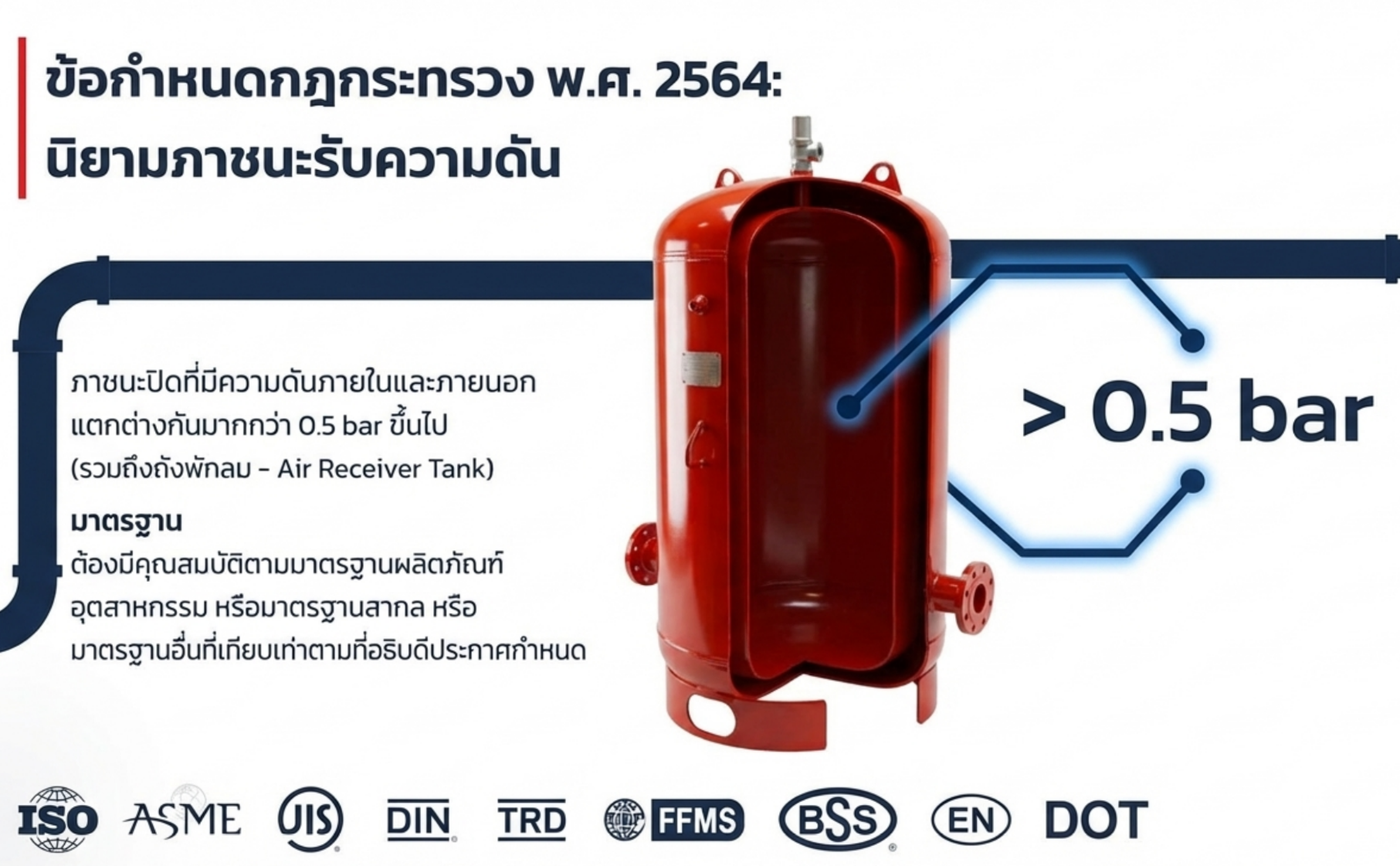
- Oil & gas facilities (pressure vessels, pipelines, storage tanks)
- Power generation plants
- Manufacturing and heavy industry
- Infrastructure and construction It supports standards-based inspections such as API 510, 570, and 653 by enhancing data quality and decision-making.
Challenges and Considerations
While Inspection 4.0 offers significant advantages, organizations must address:
- Initial investment in technology and infrastructure
- Integration with existing systems
- Data management and cybersecurity
- Workforce training and digital skill development A phased implementation strategy is often the most effective approach.
The Future of Inspection
Inspection 4.0 is not just a trend—it represents the future of asset integrity management. As technologies continue to evolve, inspections will become Increasingly:
- Autonomous
- Real-time
- Predictive
- Data-driven Organizations that embrace this transformation will gain a competitive advantage in safety, efficiency, and operational excellence.
Conclusion
Inspection 4.0 is reshaping how industries approach inspection and maintenance. By integrating digital technologies with traditional engineering practices, companies can move beyond reactive approaches and achieve smarter, safer, and more efficient operations. In a world where reliability and safety are paramount, Inspection 4.0 is no longer optional—it is the next step forward in industrial excellence.